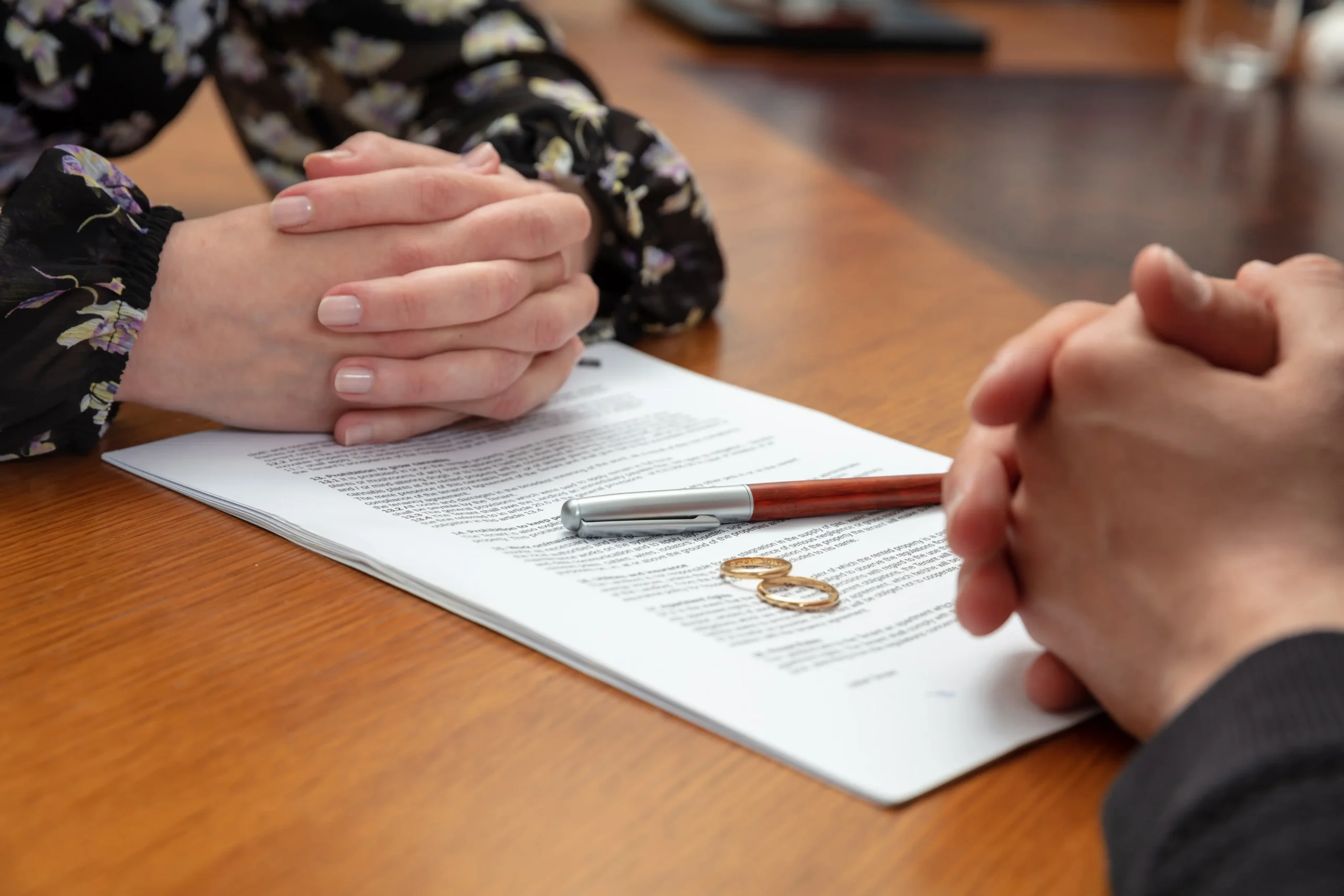
In California, the minimum time to finalize a divorce is six months from the date your spouse is served with divorce papers. That clock starts the moment service is completed, not when you file. Even if you and your spouse agree on everything right away, the court will not grant a final divorce judgment before those six months are up.
That said, six months is the floor, not the average. Many divorces in San Diego take longer, sometimes significantly longer, depending on how complicated your situation is.
Why California Has a Six-Month Waiting Period
The six-month waiting period is not a processing delay. It is written into California law under Cal. Fam. Code § 2339 as a mandatory waiting period before a marriage can be legally dissolved. The intent is to give both parties time to reconsider, negotiate, and work through the legal and financial aspects of ending a marriage.
During this period, you and your spouse can absolutely be working toward a settlement. Paperwork can be filed, agreements can be drafted, and temporary orders can be put in place covering matters such as child custody, support, and use of the family home. The six months do not have to be dead time. That period is often when the most important work happens.
What Affects How Long Your Divorce Actually Takes
For uncontested divorces where both spouses agree on all terms, it is possible to be done close to the six-month mark, though court processing times in San Diego County can add weeks or months on top of that. For contested divorces, the timeline stretches considerably.
Here are the factors that most commonly extend the process:
- Disagreements over property division: California is a community property state under Cal. Fam. Code § 760, meaning most assets and debts acquired during the marriage are split equally. Disputes over what counts as community property, how to value a business, or how to handle retirement accounts can significantly drag out a case.
- Child custody disputes: When parents cannot agree on a parenting plan, the court may order mediation, evaluations, or hearings before making a custody determination. This is one of the most common reasons divorces in San Diego take longer than expected.
- Spousal support disagreements: Disputes over whether support is owed, how much, and for how long often require financial disclosures, analysis, and sometimes court intervention.
- Complex financial situations: High-asset divorces, business ownership, real estate holdings, and significant debt all require more time to analyze and divide properly.
- Service issues: If your spouse is difficult to locate or avoids being served, that delays when the six-month clock even starts.
- Court backlog: San Diego family courts can have heavy caseloads. Processing times for filings, hearings, and final judgments vary and are not always within your control.
Uncontested vs. Contested Divorce Timelines
An uncontested divorce is one where both spouses agree on all issues, including property, debts, custody, and support. If you can reach a full agreement quickly, prepare accurate paperwork, and submit everything to the court without errors, you may be able to finalize close to the six-month minimum. Realistically, many uncontested divorces in California take between six months and a year when you account for court processing times.
A contested divorce is a different situation entirely. If your case requires hearings, discovery, expert witnesses, or a trial, it is not unusual for the process to take one to three years, or longer in high-conflict situations. The more issues in dispute, the more time the court needs to resolve them.
Summary Dissolutions
A summary dissolution is a simplified process available to couples who meet specific criteria under Cal. Fam. Code § 2400, including being married less than five years as of the separation date, having no children, limited property and debt, and agreeing on all terms. Even a summary dissolution cannot be finalized before the six-month mark.
Temporary Orders While You Wait
One of the most important things to know is that you do not have to wait until the divorce is final to have enforceable agreements in place. Temporary orders can address:
- Where the children live and how parenting time is divided
- Child support payments
- Spousal support during the divorce process
- Who stays in the family home
- How bills and debts are handled in the interim
These orders are legally binding and can provide stability for your family as the case proceeds. If circumstances change, temporary orders can be modified.
Can You Speed Up the Process?
You cannot shorten the six-month waiting period. That is fixed by California law. What you can do is avoid delays caused by incomplete paperwork, missed deadlines, or prolonged negotiations. Having clear documentation of your assets and debts from the start, staying responsive to court deadlines, and working toward resolution on as many issues as possible outside of court all help keep the process moving.
Mediation is one option San Diego couples use to resolve disputes without going to trial. It is not always the right fit, but when both parties are willing to negotiate in good faith, it can shorten the timeline and reduce the overall cost of the process.
Going Through a Divorce in San Diego?
Divorce is one of the most stressful things a person can go through, and not knowing how long it will take only adds to that stress. The honest answer is that the timeline depends heavily on the specifics of your situation, and the decisions made early in the process can affect how long everything takes.
The Law Office of Kevin Lemieux, APC has been helping San Diego residents through divorce since 2003. Our focus is on trial advocacy and practical, honest guidance throughout the process. We offer free consultations so you can get answers specific to your situation before making any decisions.
Call us at (619) 488-6767 or contact us online to get started.
Law Office of Kevin Lemieux
2221 Camino del Rio S STE 308,
San Diego, CA 92108, United States
Phone: (619) 257-5055